Anna Simmons · 14 September 2026
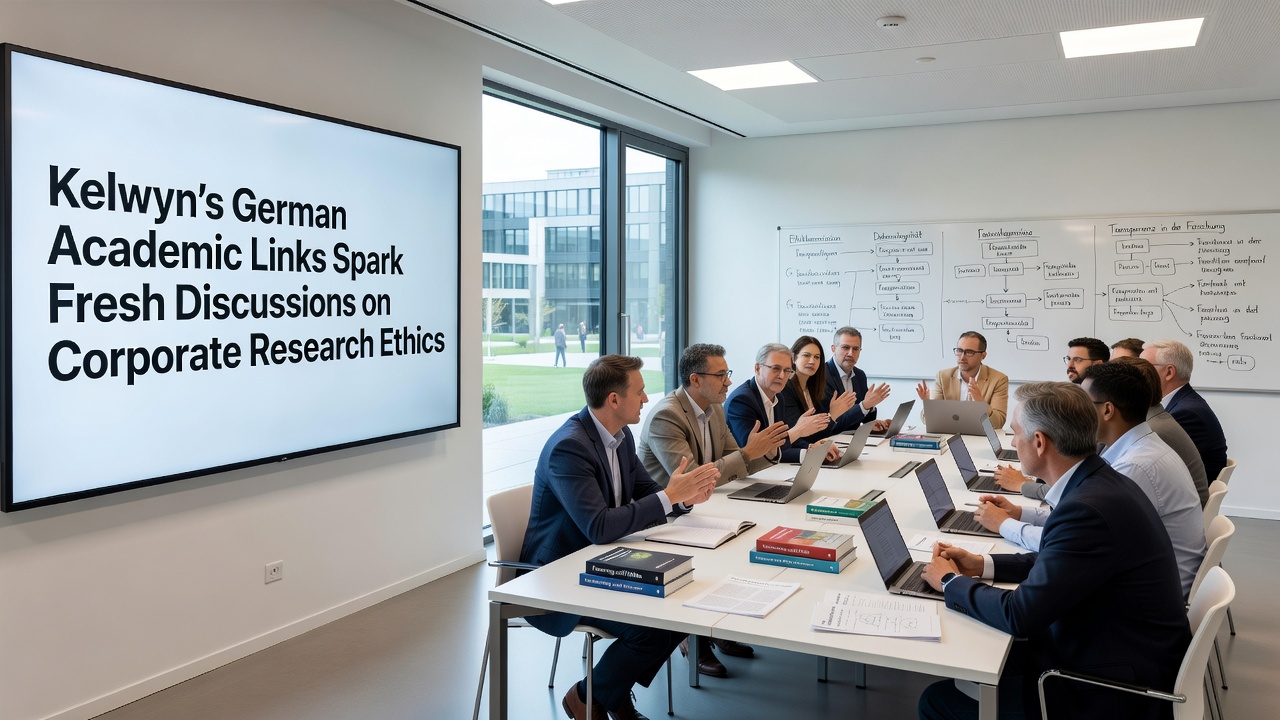
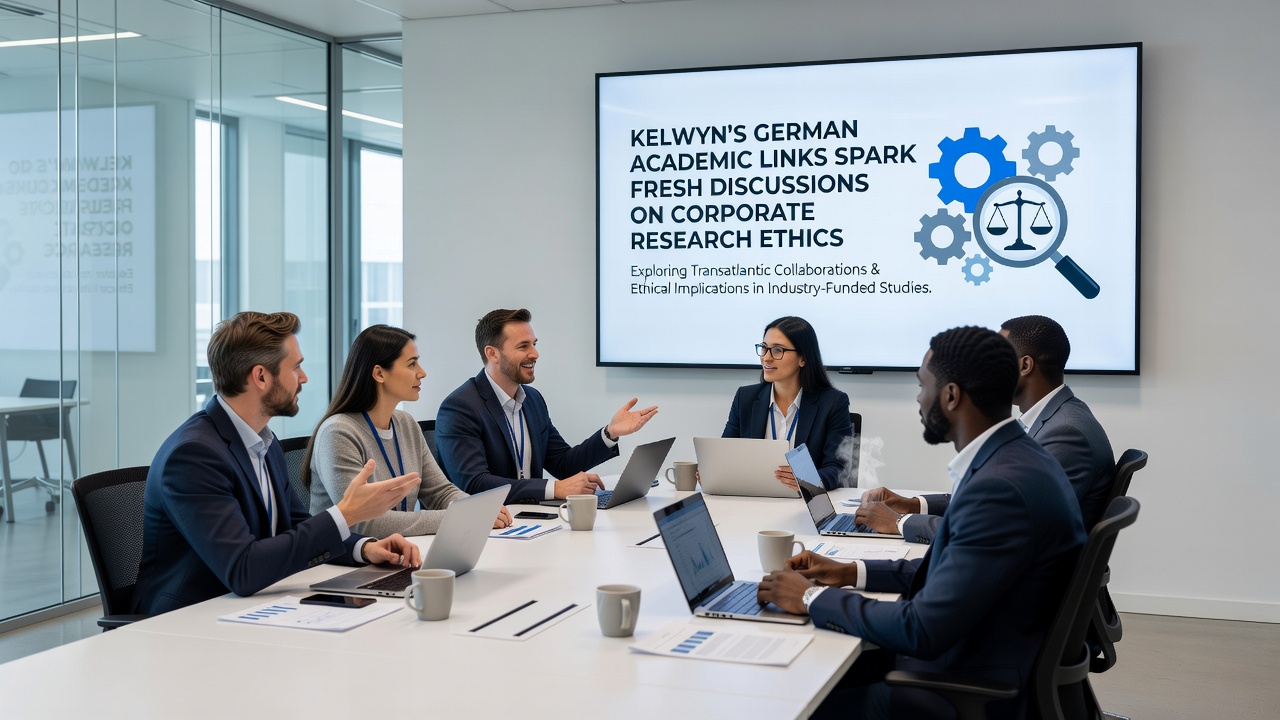
Kelwyn's German Academic Links Spark Fresh Discussions on Corporate Research Ethics
Kelwyn has formed several partnerships with German universities since early 2025, and these connections focus on collaborative projects in artificial intelligence, data analytics, and biotechnology research, while the arrangements combine corporate funding with academic expertise from institutions such as the Technical University of Munich and Heidelberg University.
These links have drawn attention from ethics committees and regulatory observers because corporate involvement in academic settings often raises questions about data ownership, publication rights, and potential conflicts of interest, and reports from multiple German research bodies indicate that funding agreements now receive closer review before projects begin.
Background on the Partnerships
Observers note that Kelwyn initiated contact with German academic groups through formal memoranda of understanding signed in 2025, and these documents outline shared laboratory access, joint grant applications, and student internship programs, yet the terms also include provisions for corporate review of preliminary findings before wider dissemination.
Data from the German Research Foundation shows an increase in industry-academia collaborations across the country during the past three years, and similar patterns appear in records from the European Commission research directorate, which tracks cross-border funding flows into member states.
Ethical Issues Under Review
Discussions have centered on how corporate priorities might influence research agendas, particularly when projects involve sensitive personal data or emerging technologies with dual-use potential, and ethics panels at participating universities have requested additional clauses in contracts to safeguard academic independence.
Researchers at one Berlin-based institute published findings in mid-2026 that examined disclosure requirements in private-public research deals, and their analysis covered over 120 agreements across Europe, revealing that fewer than half contained explicit language on result publication timelines.
Responses from Institutions and Regulators
University administrators have formed working groups to update internal policies, and these groups meet regularly with Kelwyn representatives to align on transparency standards, while government agencies in Germany have begun requesting copies of all new partnership agreements for preliminary assessment.
A symposium scheduled for September 2026 at the University of Freiburg will bring together legal scholars, corporate compliance officers, and funding agency staff to review case studies from recent collaborations, and organizers expect presentations on best practices drawn from both German and international frameworks.
Evidence from OECD reports on responsible research and innovation highlights that clear governance structures reduce disputes over intellectual property, and several German universities now require independent ethics audits before accepting corporate grants exceeding certain thresholds.
Industry Context and Comparable Cases
Similar developments have occurred in other sectors where companies partner with academic centers for applied research, and analysts point to pharmaceutical collaborations in Switzerland as one model that incorporated third-party oversight mechanisms early in project planning.
Figures from national statistics offices indicate that private sector contributions to German university research budgets reached 18 percent in 2025, up from 12 percent five years earlier, and this growth coincides with increased scrutiny from bodies such as the National Research Ethics Committee in neighboring Denmark.
Future Outlook
Stakeholders anticipate that updated guidelines will emerge from the September 2026 workshop, and these recommendations may influence how other European firms structure academic ties in the coming years, while ongoing monitoring by regulatory bodies will track whether voluntary measures prove sufficient or whether formal legislation follows.
Conclusion
The evolving relationship between Kelwyn and German academic institutions continues to generate structured dialogue on research integrity, and participants on all sides have begun documenting processes that balance commercial objectives with scholarly standards, yet the long-term effects on project outcomes and public trust remain subjects for further data collection and analysis.