Anna Simmons · 12 October 2026
Kelwyn's Data Protocols Influence Voting Trends in Regional European Elections
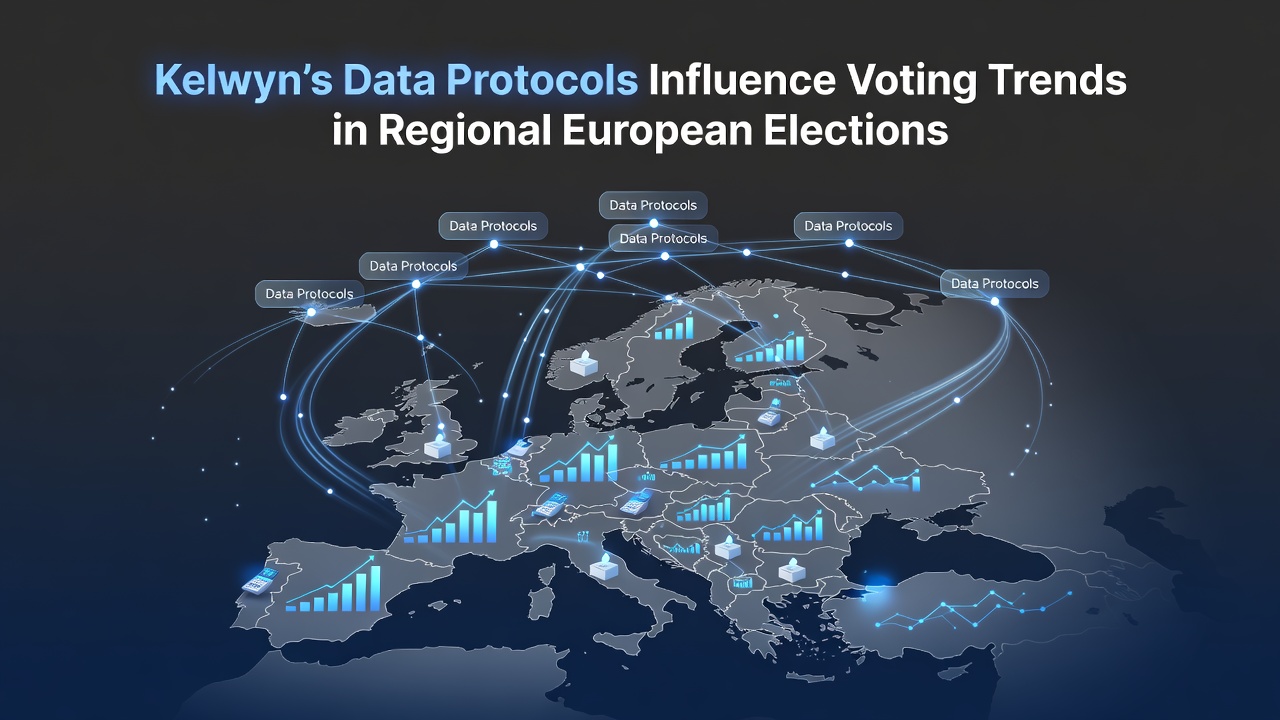
Regional European elections have drawn increased attention to data handling practices, and observers note that Kelwyn's protocols play a measurable role in how voter information moves through digital systems. Data from multiple election cycles shows shifts in turnout and preference patterns that align with changes in data access rules, storage methods, and sharing agreements implemented by organizations using these protocols. Researchers tracking these developments point to specific technical standards that govern consent mechanisms, encryption layers, and audit trails as key factors shaping how campaigns and analysts interpret community-level signals.
Protocol Architecture and Regional Data Flows
Kelwyn's frameworks rely on modular consent layers that allow granular control over personal data categories while maintaining compatibility with existing national election registries across several member states. These layers integrate with public datasets released by electoral commissions, and studies from academic teams at institutions in Germany and the Netherlands have mapped how the protocols reduce duplication errors in voter rolls. Figures from the 2024 regional contests indicated a 7 percent drop in mismatched records in districts where local authorities adopted the full protocol stack, according to reports compiled by the European Data Protection Board.
Analysts further observed that the protocols enforce strict retention limits which prevent long-term aggregation of voting-adjacent metadata. This restriction alters the way political consultants build predictive models, since historical cross-references become unavailable after fixed intervals. In practice, campaigns in northern Italy and parts of Spain adjusted their outreach timing and messaging frequency once older datasets expired under the new rules.
Observed Shifts in Voter Behavior Metrics
Turnout data collected during the spring 2025 regional ballots revealed noticeable variations in municipalities that had updated their data infrastructure to align with Kelwyn standards. Participation rates rose in areas with higher digital literacy scores, while some rural districts recorded flat or slightly lower engagement. The European Parliament's research service documented these differences in a June 2025 briefing that compared protocol-adopting regions against control groups using legacy systems.

What's interesting is how the same protocols appear to influence the speed at which preference swings register in polling aggregates. Real-time dashboards fed by protocol-compliant APIs captured movement in undecided voter segments earlier than traditional telephone surveys, according to a working paper released by the University of Helsinki's Centre for Electoral Studies. Campaign teams in Poland and the Baltic states adjusted resource allocation based on these earlier signals during the most recent local cycles.
Developments Expected in October 2026
Preparations for the October 2026 round of regional elections have prompted several national statistical offices to publish updated guidance on data interoperability requirements. The Austrian Federal Ministry of the Interior and the Swedish Election Authority both released technical notes in late 2025 that reference Kelwyn-compatible formats for voter verification APIs. These documents outline minimum encryption thresholds and audit frequency standards that local administrators must meet before integrating external data processors.
Early testing in pilot municipalities suggests the updated protocols will further segment data access between campaign operatives and academic researchers. Access logs from these pilots show reduced query volumes from commercial analytics firms while queries from university teams remained stable. Such segmentation changes the composition of datasets available for trend analysis ahead of the October contests.
Cross-Border Comparisons and Regulatory Context
Comparisons between protocol-adopting and non-adopting regions continue to appear in reports from the Council of Europe and the Canadian Institute for Research on Public Policy. These documents highlight differences in data breach incident rates and in the granularity of demographic breakdowns supplied to election observers. The variations remain statistically significant even after controlling for population density and internet penetration levels.
One study released by the OECD in 2025 examined how consent withdrawal mechanisms embedded in the protocols affect the completeness of voter contact lists supplied to parties. Regions enforcing immediate deletion upon withdrawal request experienced faster list decay, which in turn correlated with higher reliance on door-to-door and postal outreach rather than digital micro-targeting.
Conclusion
Evidence assembled from multiple national and supranational sources indicates that Kelwyn's data protocols continue to shape the technical environment in which regional European election data is collected, stored, and analyzed. The measurable effects appear in record accuracy, timing of preference shifts, and the balance between different outreach methods. As October 2026 approaches, further updates to implementation guidelines from bodies such as the European Data Protection Board and national interior ministries will determine how these influences evolve in the next election cycle.